










The Bellevue Chronicle
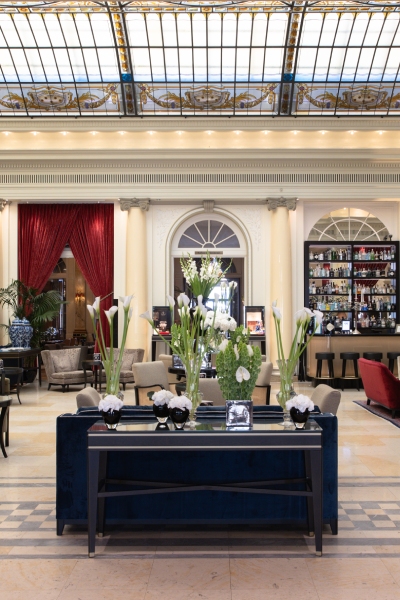
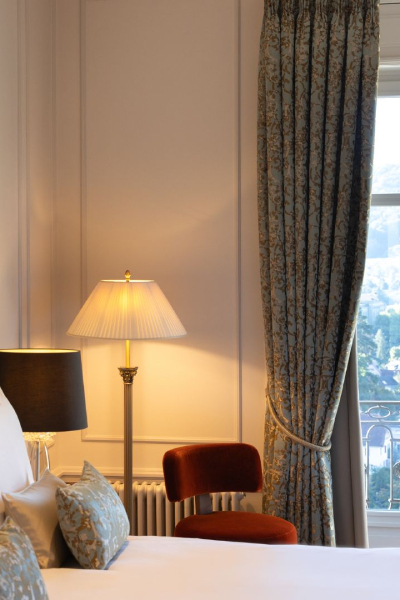
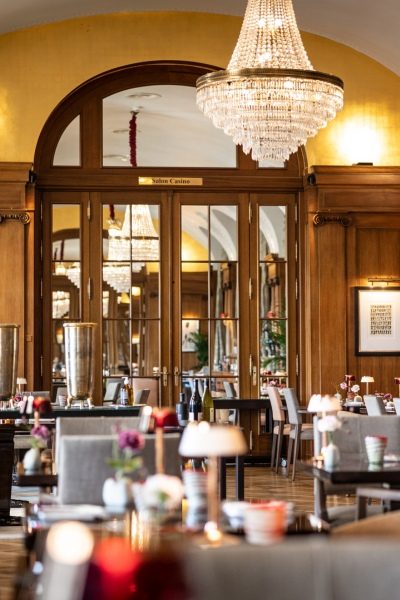
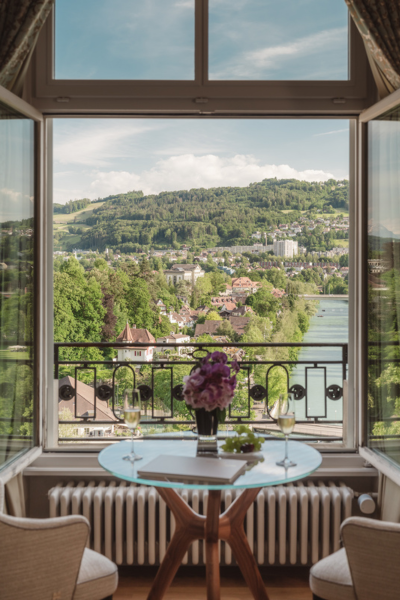
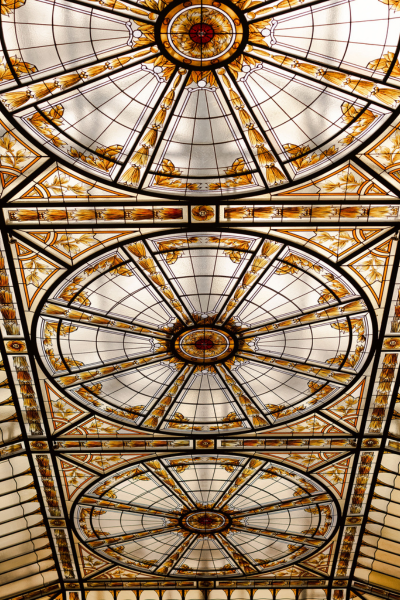
The Bellevue Palace looks back on a long and eventful history. Following the opening of the Hotel Bellevue in 1865, the BELLEVUE PALACE was introduced in 1913, which still impresses today with its imposing architecture and spacious salons. Today, the hotel is owned by the Swiss Confederation and serves as their official guesthouse for delegations and state guests. The Bellevue Palace is managed by the MICHEL REYBIER HOSPITALITY.
THE BELLE ÉPOQUE
The late 19th century brought a generally peaceful time to Europe, which was extraordinarily favorable for the upswing in tourism. This flourished immensely, with Switzerland becoming Europe’s most popular and most visited travel destination and Bern being the preferred gateway to the mountain world. In a short time, the entrepreneurial spirit of some families turned unknown villages into world-famous spa towns.
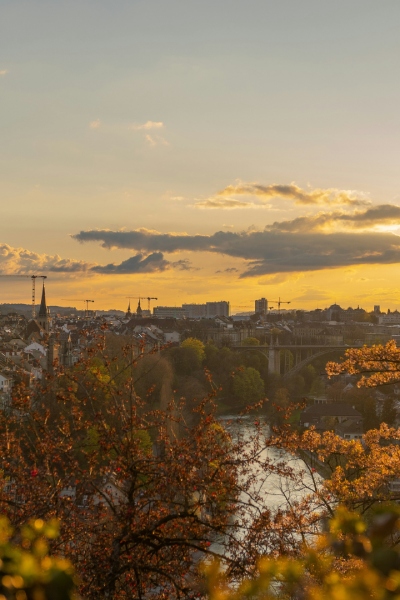
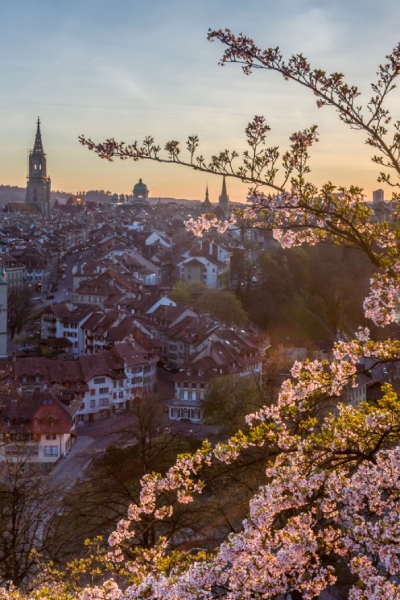
The face of the city of Bern also changed rapidly. After it emerged victorious in the competition for the location as the federal capital following the founding of the federal state in 1848, appropriate facilities had to be provided for the federal councils. From 1852-1902, the federal buildings were constructed along the expansive terrace high above the Aare.
Friedrich Osswald seized the opportunity and recognized the uniqueness of this corner of the city on the rocky ridge overlooking the incomparably beautiful mountains. He built the “old” Hotel Bellevue between 1864-1865 between the mint and the old island hospital, where the Bundeshaus Ost stands today. The pleasure travelers of the high society, princes, English lords, Italian counts, as well as international diplomats, preferred to stay at the Bellevue. Soon, the old hotel no longer met the needs and was torn down in 1911. After only 21 months of construction in 1913, it made way for the BELLEVUE PALACE.
1640
The Streckiturm tower stood on the site of the present-day hotel and is said to have once been a place of torture in old Bern.
—————
1751
Construction of the Haller House on what is now the westernmost part of the hotel plot. In 1911, it was purchased by the Bellevue joint-stock company and subsequently demolished.
—————
1789
The Bern mint is built on the site that now forms the eastern wing of the hotel.
—————
1848
Bern becomes the federal capital of the Swiss Confederation.
—————
1864
Friedrich Osswald, owner of the Falken restaurant acquires the plot east of the Haller House and builds a hotel, naming it “Bellevue”
—————
1865
The ‘old’ Hotel Bellevue opens, offering 110 guest beds across 85 rooms. A 1896 advertisement highlights its amenities: a smoking room, ladies’ salon, library, large terrace, passenger lift, electric lighting, telephone, baths, showers, air heating, garden, and a shuttle to the railway station. Room rates range from Fr. 4.00 – 8.00 for a single room and Fr. 8.00 – 14.00 for a double room, with a heating surcharge of Fr. 2.00; lighting is included.
—————
1871
French General Bourbaki and his staff are billeted at the hotel after his army is interned at Les Verrières on 1 February
—————
1857
Bern is integrated into the new railway network with connections to Solothurn, Olten, Basel, and Zurich.
—————
1883
Friedrich Osswald passes away.
—————
1896
Philippine Osswald, widow of the hotel’s founder, dies. Her sons, led by Philipp Osswald, take over management of the hotel.
—————
1911
Philipp Osswald establishes the Société Anonyme du Bellevue Palace. On 1 November, the old Hotel Bellevue as well as the adjacent Mint and the Haller House will be demolished.
—————
1912
Construction of the new Bellevue Palace began on 1 March, employing up to 600 workers on the site. The shell ends up being completed by November 30. The Bellevue Palace was the first hotel in Switzerland to be constructed entirely of reinforced concrete.
The chosen construction method – a reinforced concrete corset with load-bearing components and a concrete roof – was avant-garde and revolutionary for its time. It was unimaginable for a representative hotel before the First World War. Architecturally, the Bellevue Palace followed a classicist design, harmonizing with the neighbouring buildings and their 18th-century forms. The total construction costs amounted to CHF 3,255,923.50.
—————
1913
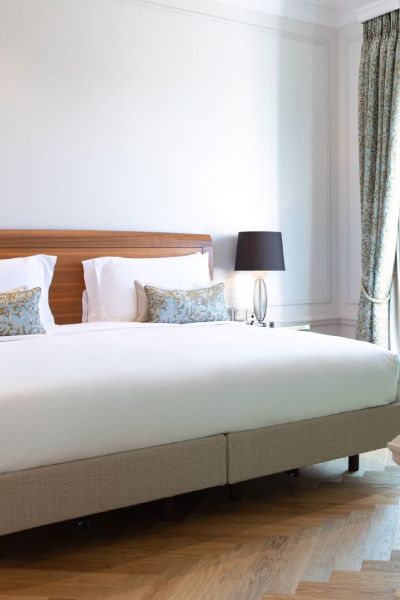
The hotel now has 200 guest rooms and 280 beds, with ‘all good rooms‘ equipped with private toilets, and a large portion of them also had bathrooms. Additionally, there was a telephone installed in each room. The room rate for the pension is set at Fr. 22.50. The Bellevue Bar is the first “American Bar” in Switzerland.
—————
1914
With the outbreak of the First World War, tourism in Europe collapsed completely. Following the election of the Commander in Chief on 3 August, the Bellevue Palace became the headquarters of the General and the general staff throughout the duration of the war. General Wille untroubled by the fact that the hotel remained open to other guests, including representatives of both the Allied and Axis powers.
—————
1918
A general strike occurs, and the hotel’s ground floor accommodates 200 troops to protect the general and the general staff.
—————
1939
The outbreak of the World War II. The hotel remains open throughout the war years and became a “diplomatic” meeting place for various factions. Guests from the Axis powers are said to gather in one corner of the La Terrasse restaurant, while those from the Allied forces gather in another. During this time, the Bellevue Bar gains worldwide fame as a meeting place for locals, diplomats, parliamentarians, officials, and spies.
—————
1940
Half of the staff is mobilized, with up to 130 people at times. Several small apartments with cooking facilities are set up to attract long-term guests.
—————
1941
The cold winter and heating restrictions lead to local families residing in the hotel.
—————
1945
On 8 May, the long-awaited armistice is signed, marking the end of the Second World War in Europe.
—————
1976
At the request of the Swiss Confederation, the Swiss National Bank purchased the Hotel Bellevue Palace. This measure was taken to prevent its sale to foreign investors and to ensure the continued operation of the hotel.
—————
1981
Swissôtel, a subsidiary of Swissair and Nestlé, took over management of the Bellevue Palace. During this period, John le Carré’s spy thriller Tinker Tailor Soldier Spy, starring Sir Alec Guinness, was filmed at the hotel.
—————
1990
Swissôtel becomes Japanese-owned, and the Swiss National Bank takes over the hotel operation independently.
—————
1994
On 24 June, the Swiss National Bank donated the hotel to the Confederation, transferring its 99.7% share in Hotel Bellevue-Palace AG.
—————
2002
Complete renovation of all rooms at a cost of over CHF 40,000,000. The hotel remains closed for one year
—————
2005
Hotel Bellevue-Palace AG establishes an independent and permanent building right and sells the hotel’s land to the Swiss Confederation.
—————
2006
With a view to leasing the hotel, Hotel Bellevue-Palace AG changes its name to Hotel Bellevue-Palace Immobilien AG.
—————
2007
Hotel Bellevue-Palace Immobilien AG leases the hotel to Victoria-Jungfrau Collection AG.
—————
2013
The BELLEVUE PALACE celebrates its 100th anniversary
—————
2015
Marks 150 years since the founding of the ‘old’ Bellevue.
—————
2017
The Swiss Confederation acquires 100% of the shares in Bellevue Palace Immobilien AG. The company is dissolved, and the hotel is transferred to the Swiss Confederation’s portfolio.
—————
TODAY
The hotel is managed by Michel Reybier Hospitality.